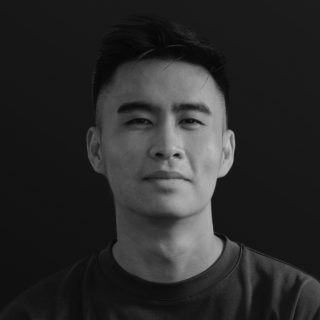
 Jiahui Tan
 Typography in Southeast Asia is inseparable from its history of migration, plurality, and negotiation. Every script carries a story of arrival: Tamil through South Indian migration, Chinese through multiple dialect communities, Malay through trade and Jawi scholarship, and English through colonial governance. Together, these scripts are made visible in public life—on MRT maps where Helvetica attempts to unify four languages, on bilingual shopfronts where hand-painted Tamil and Chinese characters coexist, and on National Day Parade branding that annually stages typography as nationhood. Typography here is more than legibility: it is a living expression of harmony, tension, and identity in flux.
This talk explores how type in Singapore exists between—between vernacular and global standards, grassroots expression and state pragmatism, tradition and speculative futures. Case studies include the decline of Jawi on street signs, Tamil’s struggle for visibility in digital environments, and contemporary multi-script experiments by Singaporean designers working to bridge gaps ignored by global platforms. These examples highlight how typography operates as cultural archive, agent of social cohesion, and sometimes, site of exclusion.
Critically, Singapore’s typographic fabric surfaces questions of identity formation: what is gained when global sans-serifs overwrite local scripts, and what is lost? Can a multilingual typographic system truly embody belonging without flattening difference? These tensions illustrate how typography can crystallise both crises of identity and possibilities for harmony.
Speculatively, the talk considers how variable fonts, cross-script pedagogy, and AI-assisted design might support more inclusive futures. What can Singapore’s “in-between” condition teach us about typography as a vessel of tradition, a mediator of globalisation, and a quiet but powerful force in sustaining social fabric?
As a designer of multi-script typefaces and a researcher in innovation and ESG strategy, I bring both craft and critical inquiry—exploring how typography can belong not only to culture, but to the futures we wish to create together.