Discover the long-lost machine that transformed global computing—led by its foremost historian, Professor Thomas S. Mullaney
Date and Time: Friday, May 29, 2026, during the conference break for lunch
Place: Stanford University
Price: Free to ATypI 2026 Stanford ticket holders, but limited capacity
Register: Registration on Eventbrite is required—first come, first served
Prerequisite: Purchase an ATypI Stanford full-conference ticket
Tour Leader: Professor Thomas S. Mullaney, Stanford University
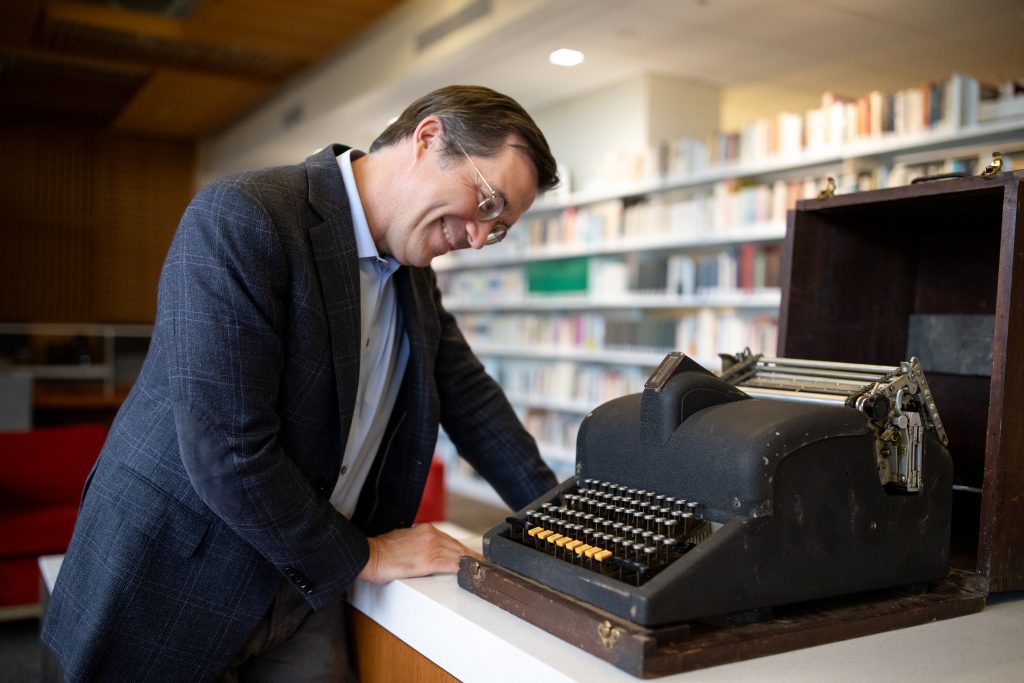
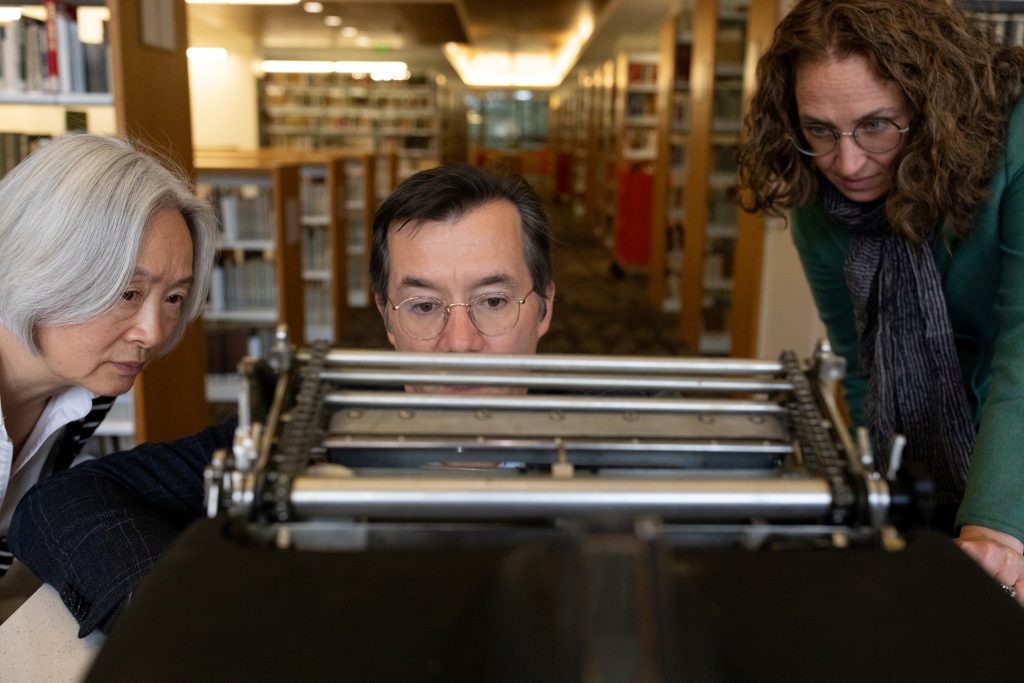
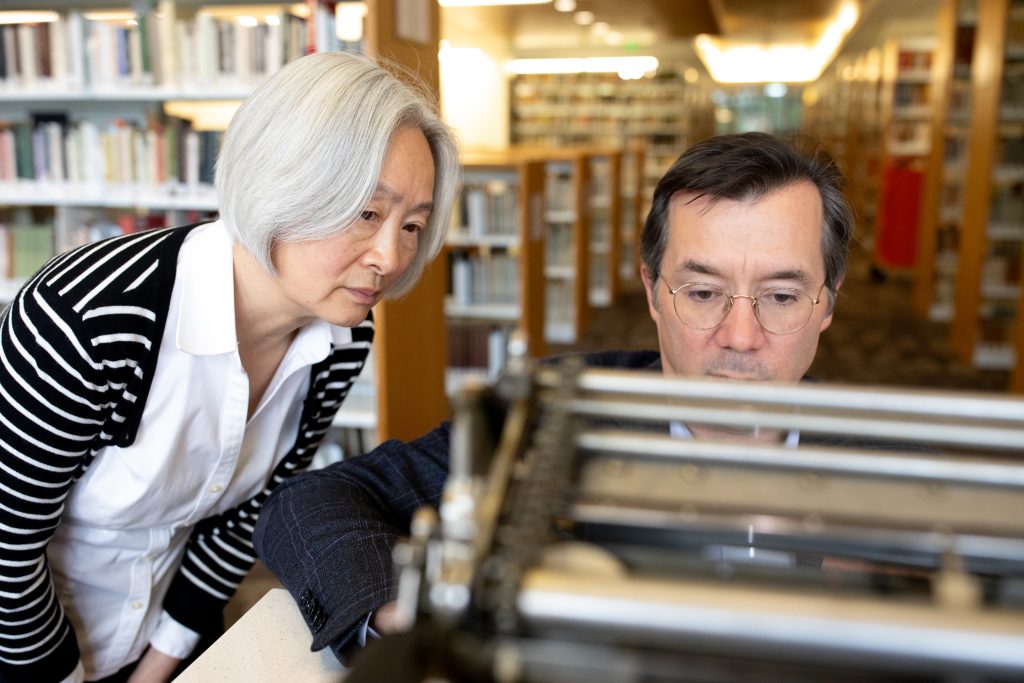
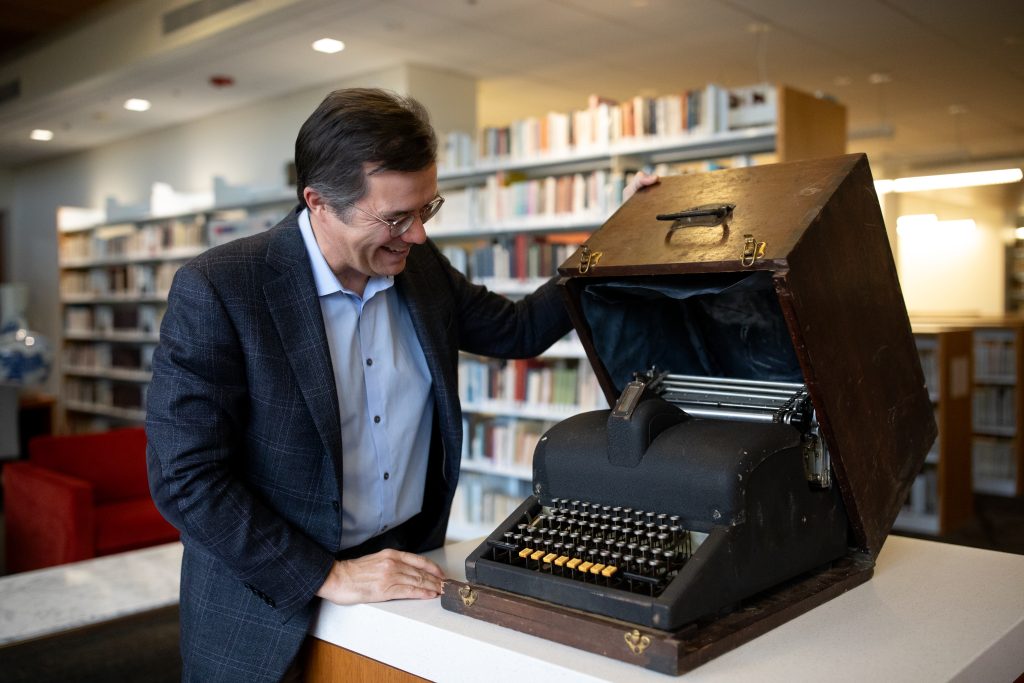
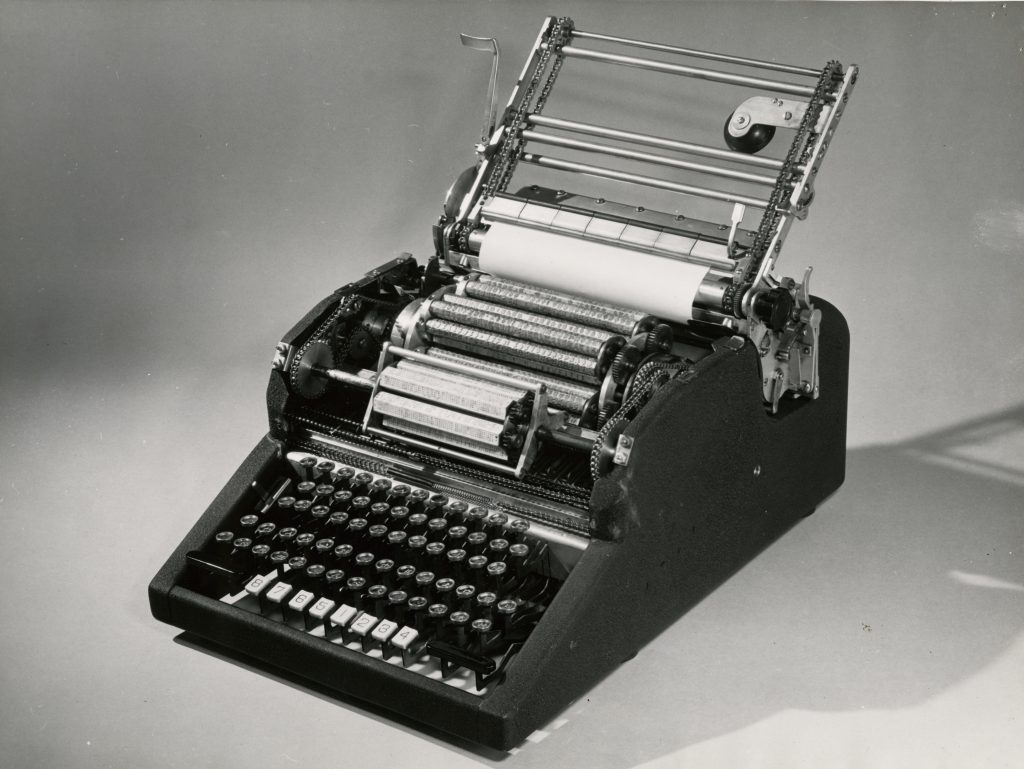
Join us for an exclusive guided tour of one of the most extraordinary artifacts in the history of writing systems and computing, the only known prototype of the MingKwai Chinese typewriter. This fascinating piece of history—lost for nearly 80 years—was recently discovered in a New York basement and acquired by Stanford Libraries. Join Professor Thomas S. Mullaney, author of The Chinese Typewriter and ATypI 2026 Stanford Local Team Chair, for a deep dive into this groundbreaking invention that reimagined what a typewriter could be—and foretold the modern era of input methods, pop-up menus, search-driven text entry, and multilingual human-computer interaction.
This is a rare and intimate opportunity to witness firsthand a machine that, though made in 1947, anticipated the digital age in uncanny and profound ways. Space is extremely limited. Reserve your spot now!
ATypI Returns to Stanford: Then and Now
ATypI 2026 marks a historic homecoming for the global type community—returning to the San Francisco Bay Area for the first time since 1994 and to Stanford University for the first time since the legendary Fifth Working Seminar in 1983. That 1983 gathering catalyzed critical debates in digital typography, legibility, and non-Latin script support—conversations that continue to shape the field today.
Now, more than 40 years later, ATypI returns to Stanford at a moment when type and language technology are again at a crossroads, and the role of complex scripts in global computing is more urgent than ever.
A Machine Once Thought Lost, Now Recovered and Reimagined
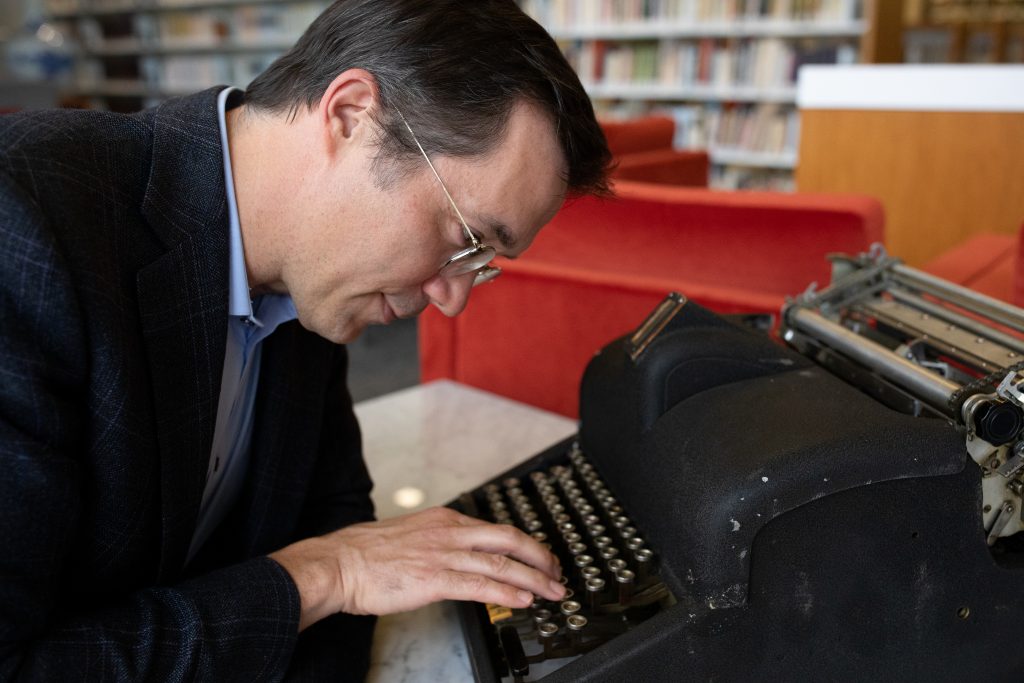
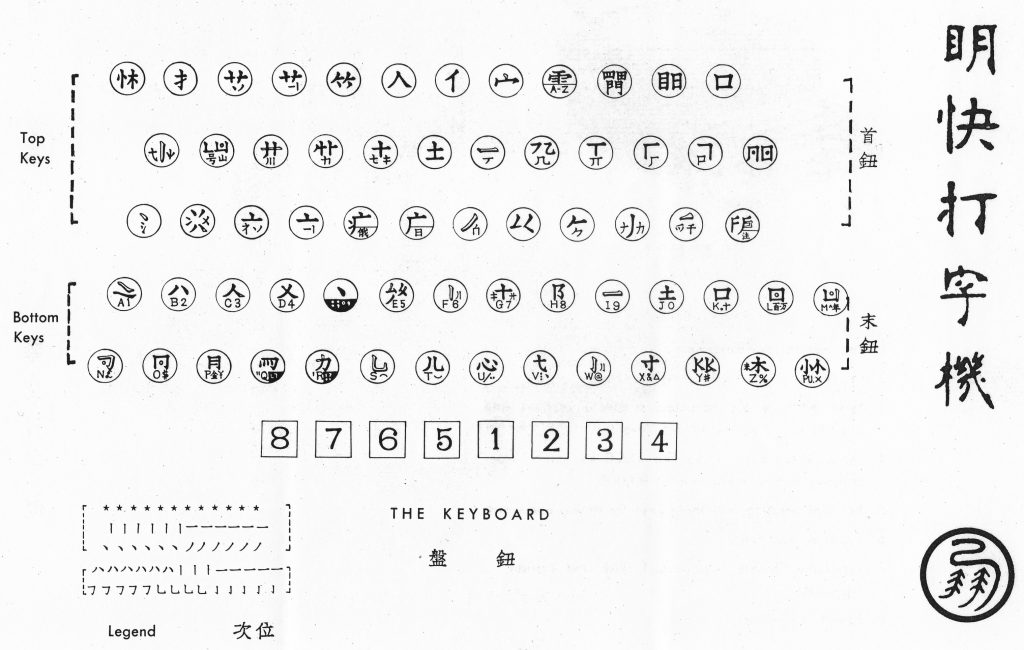
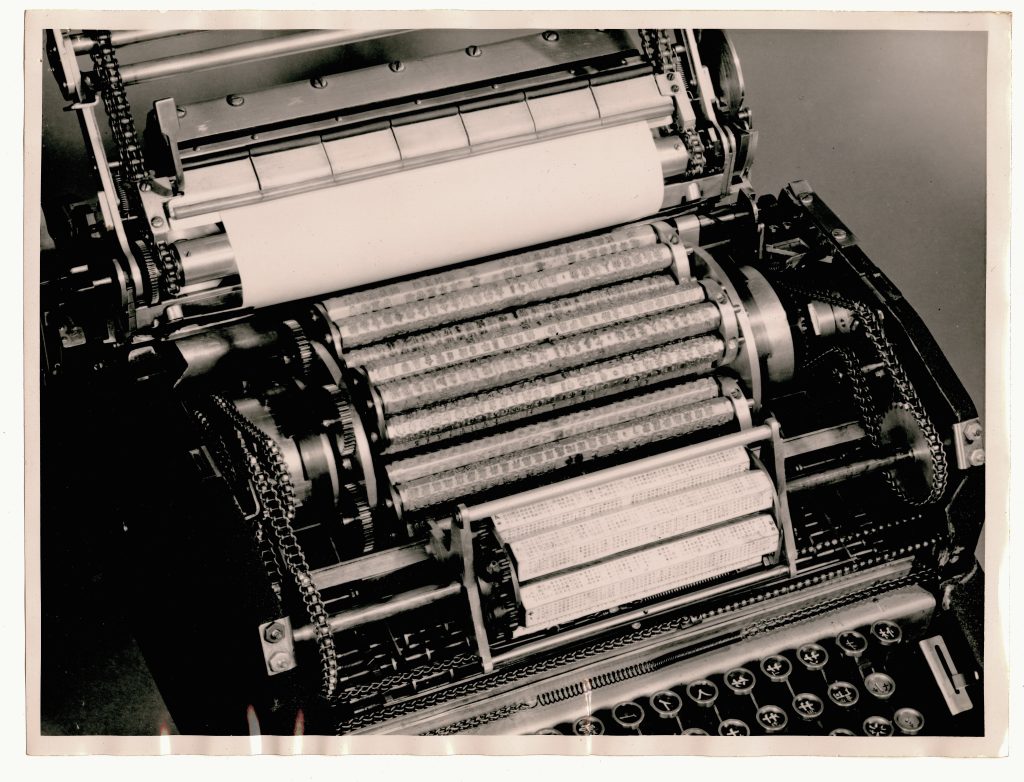
The MingKwai (“bright and clear”) Chinese typewriter, invented by famed writer and linguist Lin Yutang in the 1940s, was a singular breakthrough. Not only was it the first Chinese typewriter with a true keyboard—it was a rethinking of writing technology itself. Its 72-key layout did not inscribe characters directly, but guided the user through a multi-step process of visual selection via Lin’s “Magic Eye,” allowing retrieval of any of up to 90,000 Chinese characters.
Long assumed lost to history, the only known prototype of the MingKwai was discovered in a New York basement and acquired by Stanford University Libraries. Thanks to the generosity of the Bin Lin and Daisy Liu Family Foundation, it now resides at the Stanford East Asia Library, soon accessible to scholars and the public.
What You’ll See and Learn on the Tour
Participants will gain exclusive access to:
- The one and only prototype of the MingKwai
- A live explanation by Stanford Professor Thomas S. Mullaney of the machine’s unique character retrieval system
- Behind-the-scenes insight into the machine’s rediscovery and restoration
- Reflections on how this machine anticipated today’s multilingual input methods and shaped the evolution of Chinese (and global) computing
This is not just a historical artifact—it’s a key to understanding how modern typing, searching, and thinking in multiple scripts came to be.
Why This Tour Matters
Professor Thomas S. Mullaney, who leads the tour, is the world’s leading scholar of Chinese information technology history. A professor of Chinese history at Stanford, and ATypI 2026 Stanford Local Team Chair, he is the author of The Chinese Typewriter and The Chinese Computer, together the definitive account of Chinese information technology in the modern era, and its global implications. Mullaney’s research has shaped both academic and public understanding of how script, technology, and politics intersect, with his writings have appeared in the Journal of Asian Studies, Technology & Culture, Aeon, Foreign Affairs, and Foreign Policy, and in invited lectures at Google, OpenAI, Microsoft, IBM, Adobe, and more. His unique combination of linguistic, cultural, and technological expertise will help participants draw connections between this one-of-a-kind invention and today’s digital multilingual world.
Reserve Your Spot Today
This is a once-in-a-generation opportunity to learn about the origins of Chinese computing directly from the scholar who brought this machine—and its story—back to life. Space is extremely limited, and early tickets are expected to sell out quickly. Secure your place now for this guided tour at ATypI 2026 Stanford!