 Tao Di
 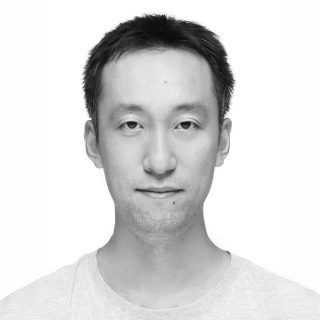 Zheng Chuyang
 The rise of artificial intelligence is opening a new era for type design, especially within the CJK (Chinese, Japanese, Korean) context. My talk will explore how AI reshapes not only the forms of CJK typefaces, but also their aesthetics and cultural meaning.
I will begin by revisiting the history of CJK typography since World War II. This period saw rapid modernization, the influence of Western design systems, and the challenges of adapting large character sets to phototypesetting and later to digital platforms. Each society responded differently: China’s state-driven standardization, Japan’s blending of tradition with modern industrial design, and Korea’s integration of Hangul and Hanja within shifting cultural policies. These developments reflect both divergence and convergence across East Asia.
Placed in today’s global framework, AI goes beyond being a technical tool. It transforms how type is produced, distributed, and perceived, raising questions of authorship, efficiency, and cultural identity. For CJK scripts, AI could accelerate production but also reshape aesthetics, potentially redefining how communities see and value written form.This talk invites reflection on how we balance technological change with cultural depth, and how AI may lead CJK typography into its next era.