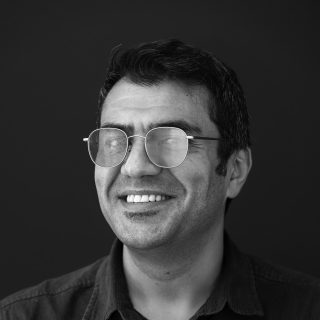
Typography and visual design in the Middle East and North Africa have always evolved in the spaces between text and image, ornament and structure, tradition and modernity. This presentation offers a systematic study of Islamic visual culture—particularly manuscripts, calligraphy, and illumination from the 7th to the 19th century—to investigate how these traditions continue to shape contemporary design practices across the region.Rather than treating manuscripts as static historical artifacts, I approach them as dynamic design systems. In this study, I identify three recurring categories of type–image relations: Decorative, Formative, and Constructive. Decorative strategies extend and amplify meaning through ornamentation; formative strategies transform letters into organic or abstract visual forms; and constructive strategies organize text and image through geometry and grids. Together, these approaches demonstrate how Islamic manuscripts integrated visual and textual expression in ways that anticipate principles later central to modern typography and graphic design.The presentation then connects these historical frameworks to contemporary visual design in the MENA region, showing how inherited forms and methods re-emerge in new contexts. Designers across the region, whether addressing national identity, cultural expression, or bilingual cross-script challenges, continue to draw on these legacies, sometimes consciously and sometimes through deeply embedded cultural memory. Selected examples from contemporary visual design demonstrate how these traditions have transitioned into modern practice while generating new modes of experimentation.As a designer and researcher who has lived both within Islamic visual culture and in Western academic contexts, I approach this work from an intercultural position. This “in-between” perspective enables a reframing of Islamic visual heritage not as peripheral to typography’s history, but as a systematic and generative contribution to global design—traditions that continue to shape the present and open pathways to future transformation.
Between Tradition and Transformation: Visual Design Lineages from Islamic Manuscripts to Contemporary Culture