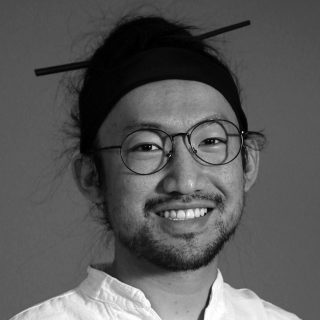
 Kedi Zhang
 This case study shares a collaborative and heartwarming journey of designing and developing the first ever sans-serif font for the Tibetan Ume script from 2022 to 2024. The dynamic nature of this variable font plays a crucial role in maximizing the impact of this work. Two axes—weight and width—offer unprecedented visual harmony when mixing Tibetan script with many classic sans-serif Latin typefaces like Impact, Futura, Arial, and Helvetica. It also lowers barriers for Tibetan creatives to adopt modern typography and design styles, which have co-evolved with these sans-serif typefaces, even when working exclusively in Tibetan.
Beyond the traditional image of monks writing manuscripts in the Himalayas, the younger Tibetan generation seeks modern visual expression in their mother tongue, rather than relying on a second language. They deserve a font that embodies their identity, challenges stereotypes, and resists marginalization.
For the first time, we explored how Western typographic concepts—display vs. text, condensed vs. expanded—apply in a Tibetan context. We pushed the limits, experimenting with extreme weights, grounding display vs. text distinctions in calligraphy traditions, and making trade-offs while ensuring the quality and functionality expected of a variable font.
The beta release of this font has clearly excited the local Tibetan design community, catalyzing the translation of key typographic concepts, such as “Sans Serif” and “Variable Font,” into the Tibetan language. In our presentation we will also showcase many exciting designs from the local community that feature a fresh and modern aesthetic, made possible by this new font.