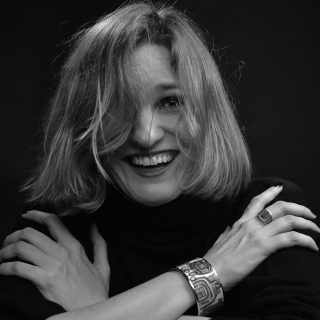
 Pascale Schmid
 In an era where air travel is an integral component of global connectivity, ensuring the highest levels of safety is paramount. One critical, yet often overlooked, aspect of flight safety is the legibility of vital information within the cockpit environment. The pilot’s ability to quickly and accurately read and interpret electronic documentation, such as maps, charts, manuals and checklists, is pivotal in averting potential disasters. While this is recognised by the aviation industry, current recommendations are based on outdated information originally developed for printed documentation.
Building upon the initial introduction of my PhD project, “V1—A User-Centred Type Design Approach to Facilitate Pilot Information Processing,” at ATypI 2020 All Over, this presentation will focus on the results of my research and how they influenced the creation of the variable typeface V1, specifically designed for use in electronic flight deck documentation. The presentation will discuss the outcome of interviews with pilots from across the globe, the findings of a recently published systematic literature review on typographic considerations in publications on electronic documentation in aviation and medicine, and the results of user testing sessions which were conducted to integrate the target audience in the discussion surrounding the most suitable character traits for V1.
The interviews revealed that pilots are concerned about legibility, yet do not consider typography as important. The literature review uncovered a superficial understanding of typography due to factors, such as disciplinary segregation and reliance on inherited norms/misconceptions, some of which impair legibility. Surprisingly, the user testing sessions, during which the pilots selected their preferred type settings, uncovered a keen interest in legibility issues that could not be communicated previously. With my presentation, I would like to invite the ATypI community to accompany me on my exciting PhD journey; a fascinating balancing act between typography and flight safety.