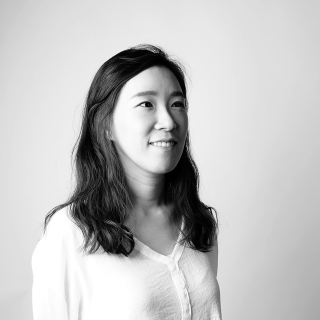
 Chorong Kim
 The process of type design is a long, arduous journey. This is especially true for Chinese, Japanese, and Korean (CJK) scripts. It can be embarrassing to discover problems once a design is well underway. Sometimes it’s hard to think about fixing mistakes, even under supervision. But constant revision is an inevitable part of producing useful work, and the essence of good design. Unfortunately, many designers have a negative attitude toward revision. One of the major tasks of modern design should be to make revision fun. Korean foundry Sandoll, which prioritizes designers’ happiness, has taken a serious approach to this problem since 2017. Sandoll has developed a design process in which modification is enjoyable and has applied it to practical situations. This presentation offers a clear introduction to Sandoll’s design process, which consists of six sprints. Wujin Sim and Chorong Kim analyze 2,350 modern Hangul characters regulated by the South Korean standard, by means of extraction of frequent Jaso (i.e., an element of a character), classification of combined structures, and quantification of density. A proofreading task is also shown to identify the target for each sprint. Sandoll hopes this presentation will help designers enjoy every step of the type-design process—including revision.
改善作業を楽しめるハングル書体デザイン手法
書体デザインのプロセスは途方もない長旅である。日中韓書体においては尚のことだろう。取り返しのつかないミスが起きてしまうと恥ずかしいし、デザイン監督がいる環境ですらも、修正には及び腰になることがある。しかし反復的な改善作業は実用に堪える作品作り欠かせない、優れたデザインの秘訣だ。しかし残念なことに、修正作業を快く思わない現場のデザイナーが多いことも事実である。そのため、現代のデザイン環境では修正作業を楽しめるものにするというのが大きな課題の一つだ。デザイナーの幸福度を重要視するサンドルでは、2017年からこの問題に真剣に取り組んでいる。サンドルの構築したデザインプロセスは修正改善作業を楽しめるものにして、実際の現場に取り入れた。このプレゼンテーションではサンドルの6つのスプリントからなる明瞭なデザインプロセスを紹介する。チャモ(字母)の頻度や構造の分類分け、線の密度の数量化といった方法で韓国政府の定めた2350字を分析する。各スプリントで読みやすさのテストが実施される様子も紹介する。このプレゼンテーションをきっかけにすべての書体デザイナーが修正作業を楽しめるようになるよう願っている。