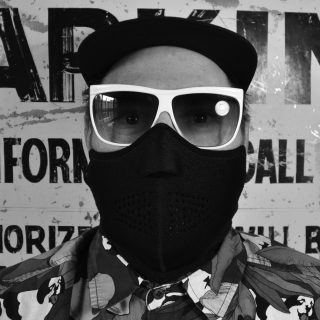
 Kel Troughton
 Two communities spend their lives obsessing over letterforms, yet they rarely interact. Graffiti writers dedicate years perfecting letter construction, weight, and spacing on walls, while typographers do the same on screens and paper. This mutual blindness creates a fascinating paradox: graffiti writers—masters of hand-lettered forms—often produce strange and bad typographic work on screen, while type designers rarely pay attention to the most innovative letter-based art movement of the past fifty years.
As both a graffiti writer and type designer, I’ve worked as a curator at Letterform Archive and taught workshops helping type folks decode graffiti letterforms. Through this talk I will look into the reverse challenge: what happens when we teach typographic principles to graffiti writers?
The answer lies in stickers—the ubiquitous printed names that flood urban landscapes. These mass-produced printed names represent graffiti’s intersection with typography, yet most suffer from poor font choices, cramped layouts, and illegible hierarchy. These design choices are sometimes intentional as the subculture has its own ways of thinking about letters, but often come from a place of not knowing basic typographic rules.
This presentation documents my attempt at working directly with prolific graffiti writers as design clients to transform their sticker graphics into more functional type layouts. Through detailed case studies, I’ll explain and apply typographic principles to their printed work. The results should help reduce the amount of stretched and cramped all-caps typesetting issues that typographers see every day on the street. For graffiti writers, hopefully these redesigned stickers can better represent the care and ideas they have for letter creation.
When graffiti writers better understand typography, they have more tools for visual communication in any medium. When typographers expand the canon of letterforms they can learn from, they tap into more relevant and innovative ideas. The real transformation happens when both communities can learn from each other as letter people.