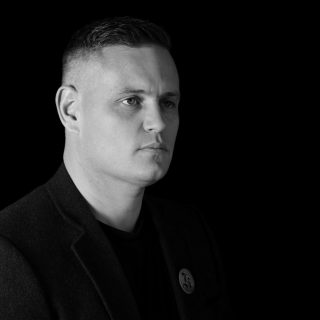
 Kris Sowersby
 The Matarongo Project is a collaboration between Dr. Johnson Witehira and Kris Sowersby. It manifests in a large typeface family, grounded by rigorous indigenous academic research. Sowersby will speak about Witehira’s published research into Māori engagement with letterforms and how they developed a family of typefaces. Before the arrival of Europeans to Aotearoa New Zealand, indigenous Māori had a thriving oral language culture (Te Reo Māori). As with all technology, Māori were quick to uptake and adapt written language to their benefit. Witehira’s research traced Māori letterforms through traditional crafts, and suggests kupu hou (new words) to help define these new categories:
- Tuhi Waitohu — Hand lettering
- Tuhi Rerehua — Calligraphy
- Tuhi Motumotu — Printing
- Tātai Kupu Toi — Typography
- Kupu Waituhi — Painted lettering
- Kupu Whatu — Woven / Fibre texts
- Kupu Whakairo — Carved texts
- Kupu Tā Tangata — Tattooed texts
Sowersby and Witehira examined extant artefacts and archival photography to find common patterns and styles of Māori-made letterforms. These patterns were adapted and applied to a modern digital typeface family. The process offers some answers to important questions, like what is an indigenous typeface? Can a typeface feel “Māori”? What if macrons and digraphs were co-designed with Māori from the beginning?