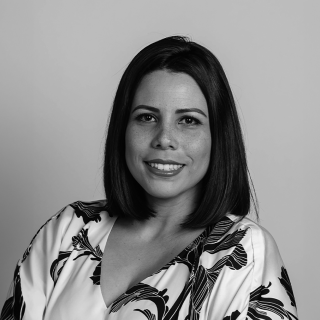
 Melanie Uribe
 By the end of 2022, a staggering 108.4 million people were forcibly displaced due to persecution, conflict, and human rights violations. Across the globe, and notably in the United States—which boasts one of the world’s most rigorous refugee screening processes—many of these vulnerable individuals met with tangible and ideological barriers instead of open arms. In the face of this challenging backdrop, this project harnesses the nuanced power of typography within Graphic Design, seamlessly integrated with Augmented Reality (AR). This synergy is employed to craft a poignant narrative that delves into the struggles, emotions, and experiences of refugees and immigrants.
Typography, endowed with the unique ability to convey mood, urgency, and empathy, becomes the cornerstone of our design methodology. Through intentional typographic decisions, we strive to voice the often-muted sentiments and resilient spirits of those seeking refuge and a new life in places like the United States. Drawing inspiration from the “aesthetic of loss,” the project aims to grant visibility to the myriad thoughts and feelings of migrants, fostering empathy and promoting cultural understanding. Ultimately, the goal is to leverage the impactful visual language of graphic design as a powerful catalyst for social good, creating a multidimensional experience that resonates deeply with viewers, ignites advocacy, and bridges cultural divides.